The valley and the house
Where the ground flattened, the houses gathered — and the terrain left little room for argument.
- Entry
- F.3
- Where
- Shala and Valbona
- Period
- Pre-modern to present
- Section
- Stone Houses of the North
01Why the cluster, not the scatter
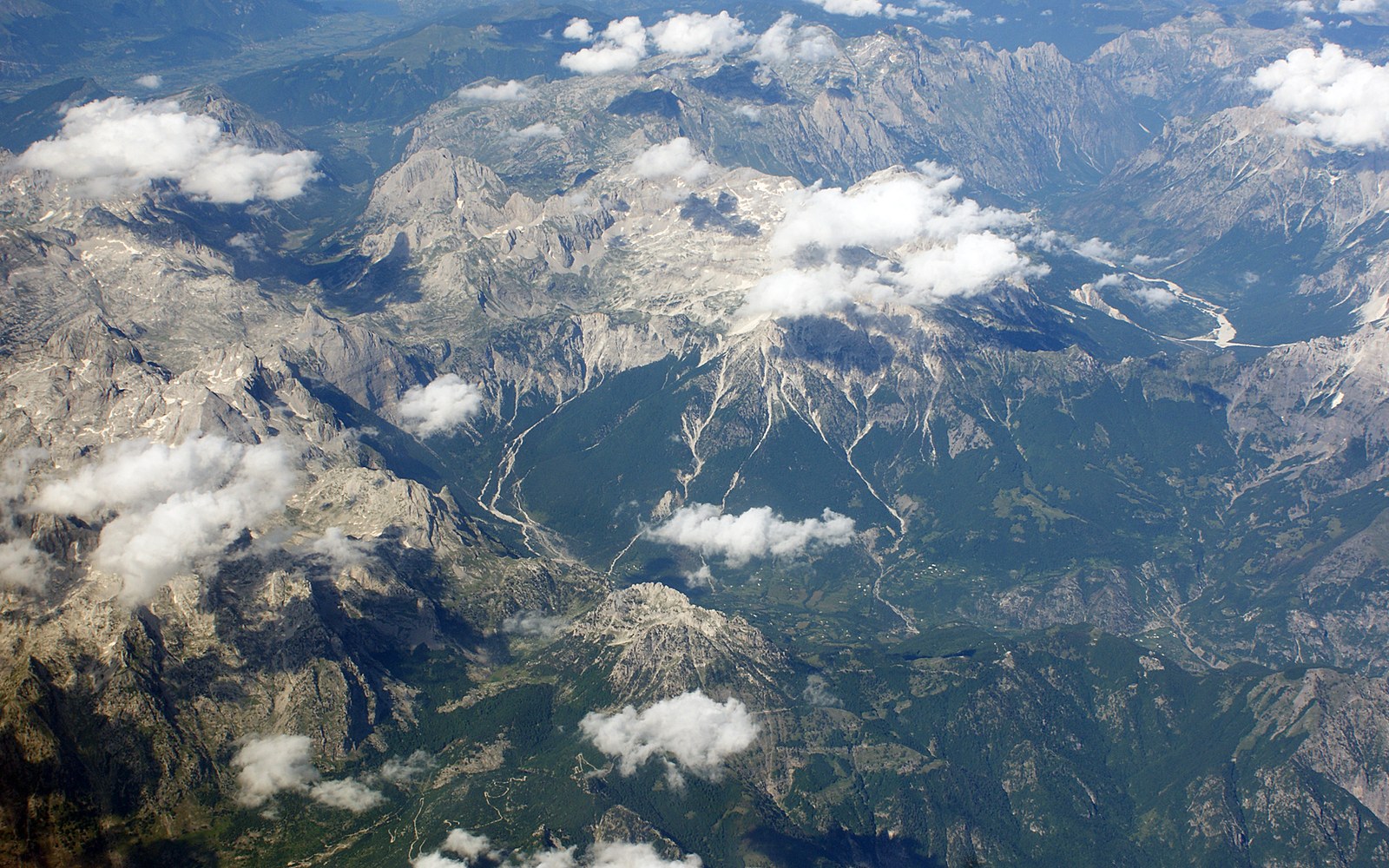
In the northern Albanian highlands, settlement is rarely random. The valleys that cut between the Accursed Mountains — the Prokletije range along the northeastern border — offer only narrow ledges of cultivable land beside fast rivers. A single family building where it chose would waste ground that might feed it; instead, houses cluster at the point where slope eases, where a terrace could be cut and where water from above could be diverted without too much labour.
The fis — the patrilineal clan — reinforced what terrain already suggested. Related households gathered close enough to share defence and far enough apart to avoid crowding each other's fields. The result, repeated valley by valley, is the katund: a cluster of perhaps a dozen compounds sitting on the lower edge of the slope, backs to the hill, faces to the small flat that fills the valley floor.
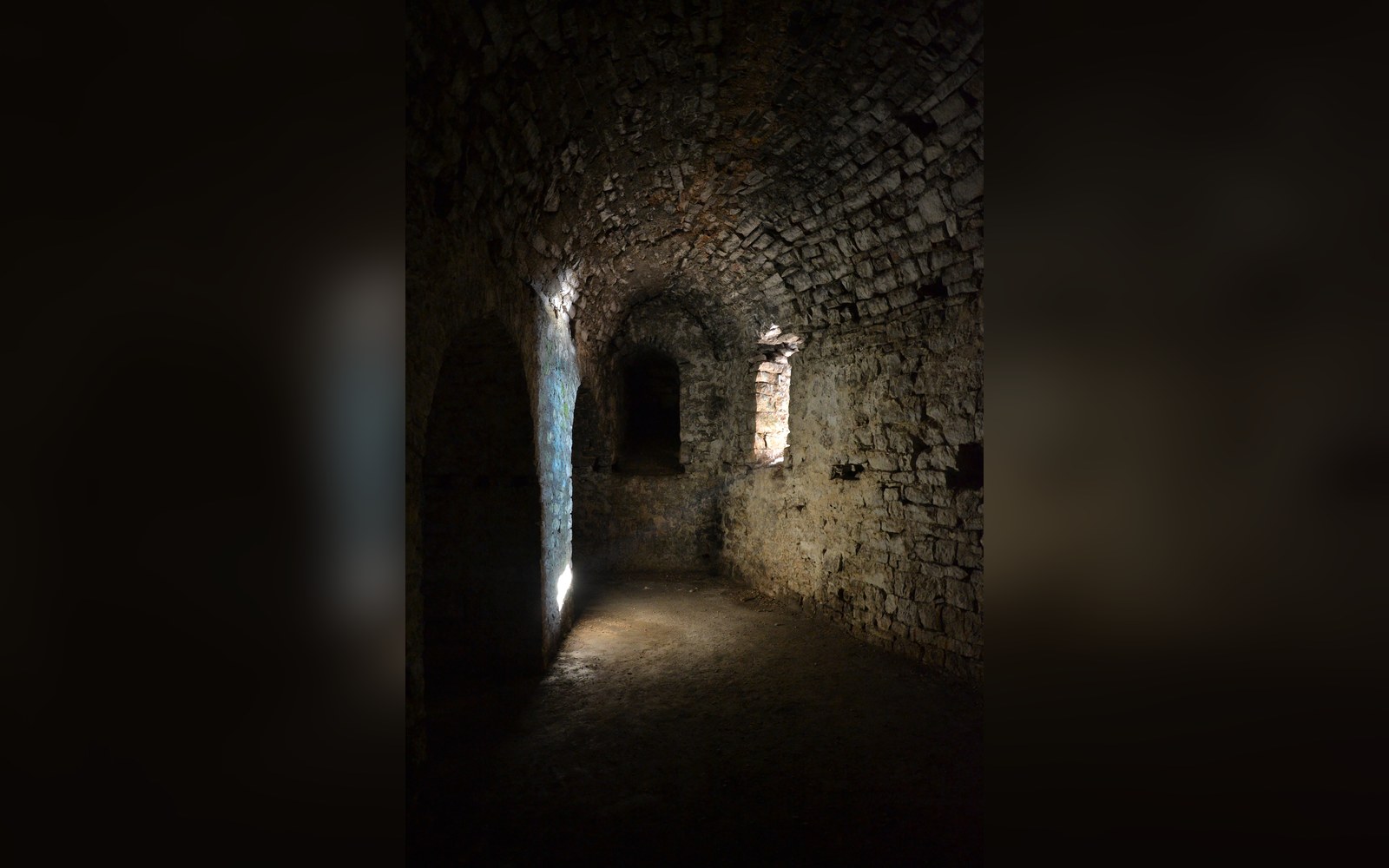
The family lives and sleeps above, where the walls are still thick but the windows, set high, finally open to light and air.
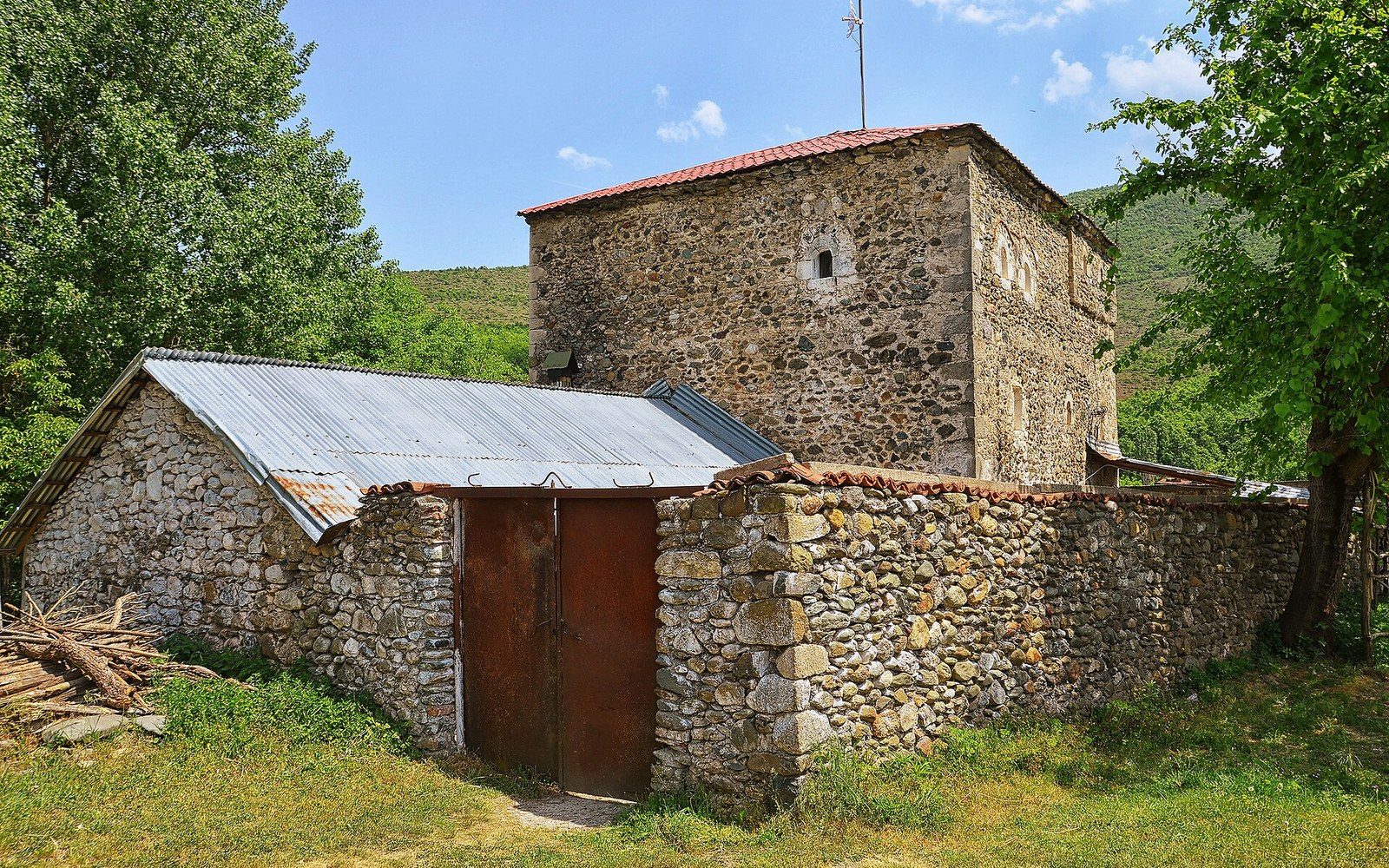
The house itself answers the same logic. The kulla — the stone tower-house characteristic of the region — places its animal quarters and storage on the ground floor, precisely because the ground floor is most exposed and least worth defending with a human presence. The family lives and sleeps above, where the walls are still thick but the windows, set high, finally open to light and air. The roof is heavy split stone, which holds heat in winter and keeps the interior cool enough in summer that the top floor becomes usable on hot afternoons.
Orientation matters too. A kulla turned to face south catches the low winter sun; a face toward the prevailing wind is avoided where the site allows any choice. But in a narrow valley the mountain often decides. The best sun, the best water and the only flat ground may align with a single orientation, and the builder accepts it. What looks like a formal convention in the finished house is, as often as not, the shape the landscape left after it had taken everything else.
- Fis (patrilineal clan)the kinship structure that organised land and settlement in the northern highlands
- Katunda hamlet or village cluster, typically kin-based
- Kullastone tower-house with storage below, living quarters above; thick walls, few low openings
- Prokletijethe Accursed Mountains; the range running along Albania's northeastern border