The language
Arbëresh is not archaic Albanian — it is Albanian as it was spoken before a written standard fixed anything, preserved on the far side of a sea crossing.
- Entry
- H.4
- Where
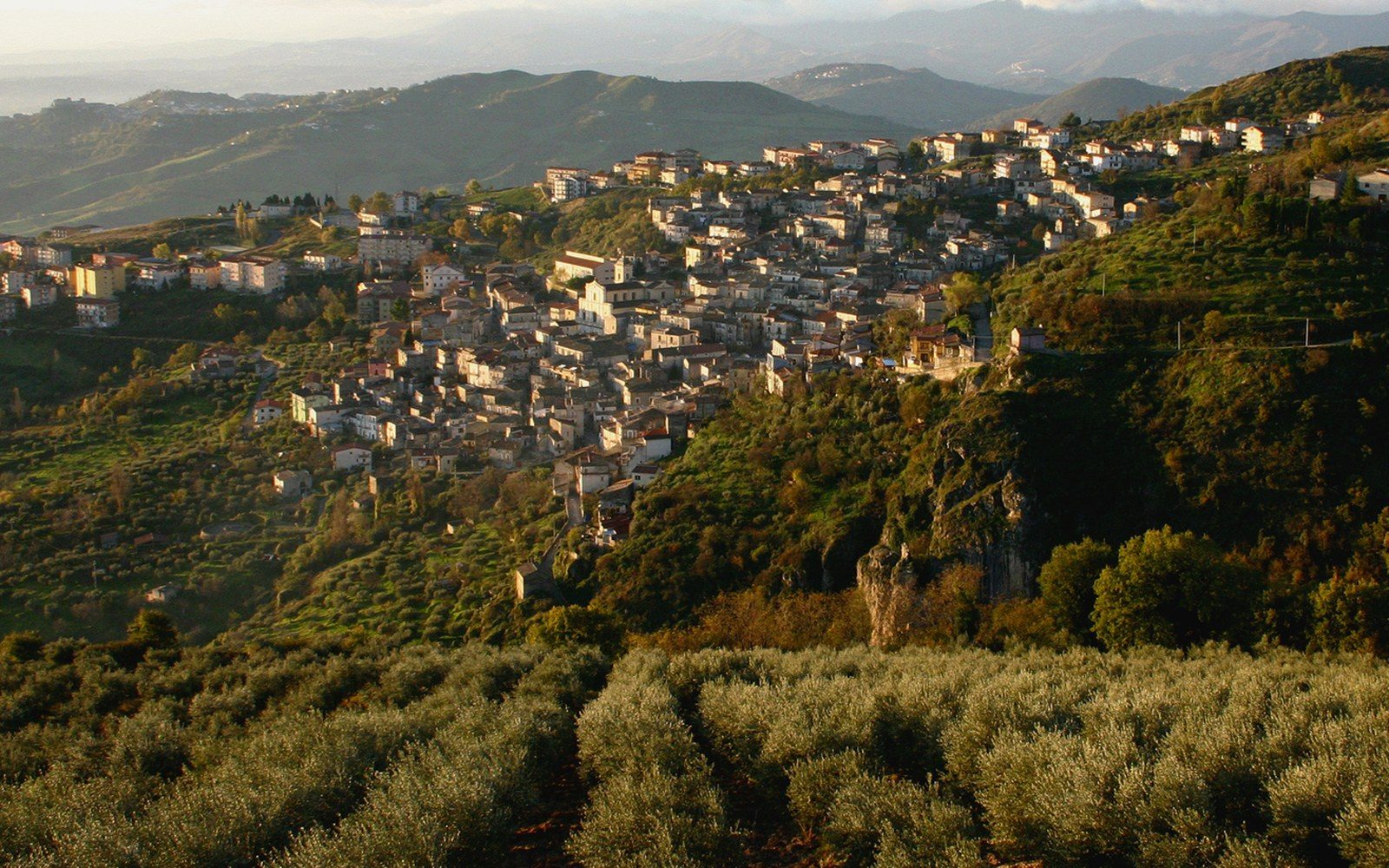
- Fifty towns in southern Italy
- Period
- Fifteenth century onward
- Section
- Arbëresh
01A branch that grew separately
When Albanian settlers reached southern Italy in the fifteenth and sixteenth centuries, they brought the spoken Albanian of their moment — probably southern Tosk dialects, though with variation between communities. Once transplanted, the language stopped receiving the changes that continued on the Albanian peninsula. What arrived was sealed, in the way that any diaspora tongue is sealed: it developed internally, absorbed Italian and Greek loanwords for things the settlers encountered, and lost vocabulary for things they left behind, but it never merged with the evolving standard that would eventually be codified in Tirana.
The result is a language that is deeply recognisable to an Albanian speaker and yet strange in specific ways. Arbëresh preserves certain vowel sounds, inflections and verb forms that standard Albanian either merged, dropped or shifted. Linguists sometimes describe the effect as listening to an older stratum of the language — not because Arbëresh is frozen, but because the changes that remade the homeland variety simply never crossed the water.
- Mid-to-late 15th–16th centuriesAlbanian settlers arrive in southern Italy, bringing Tosk-related spoken Albanian
- 1972Congress of Orthography in Tirana codifies standard Albanian (gjuha shqipe)
- The ~500-year gap between transplanting and standardisation is the core of what Arbëresh preserves
02What the separation preserved
Standard Albanian — gjuha shqipe in its modern form — was codified formally only in 1972, at the Congress of Orthography in Tirana. Arbëresh preceded that process by roughly five centuries. The Italo-Albanian communities had no part in it, and the standard they eventually encountered, when contact was re-established, was a document of a language that had travelled a different road. Some phonological distinctions that standard Albanian collapsed are still audible in Arbëresh. Certain archaic vocabulary items survive as ordinary words in the villages while existing only in historical dictionaries of Albanian.
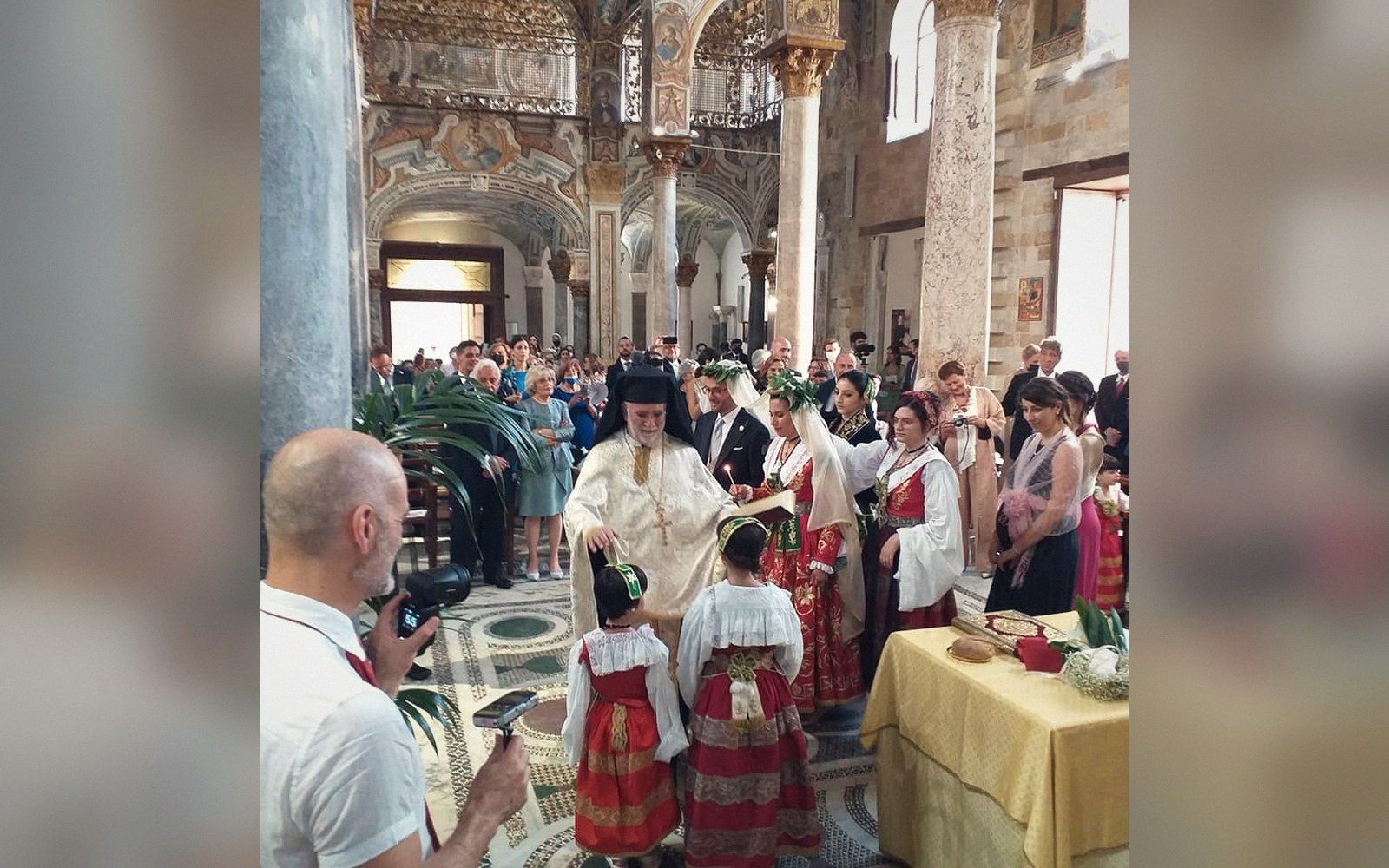
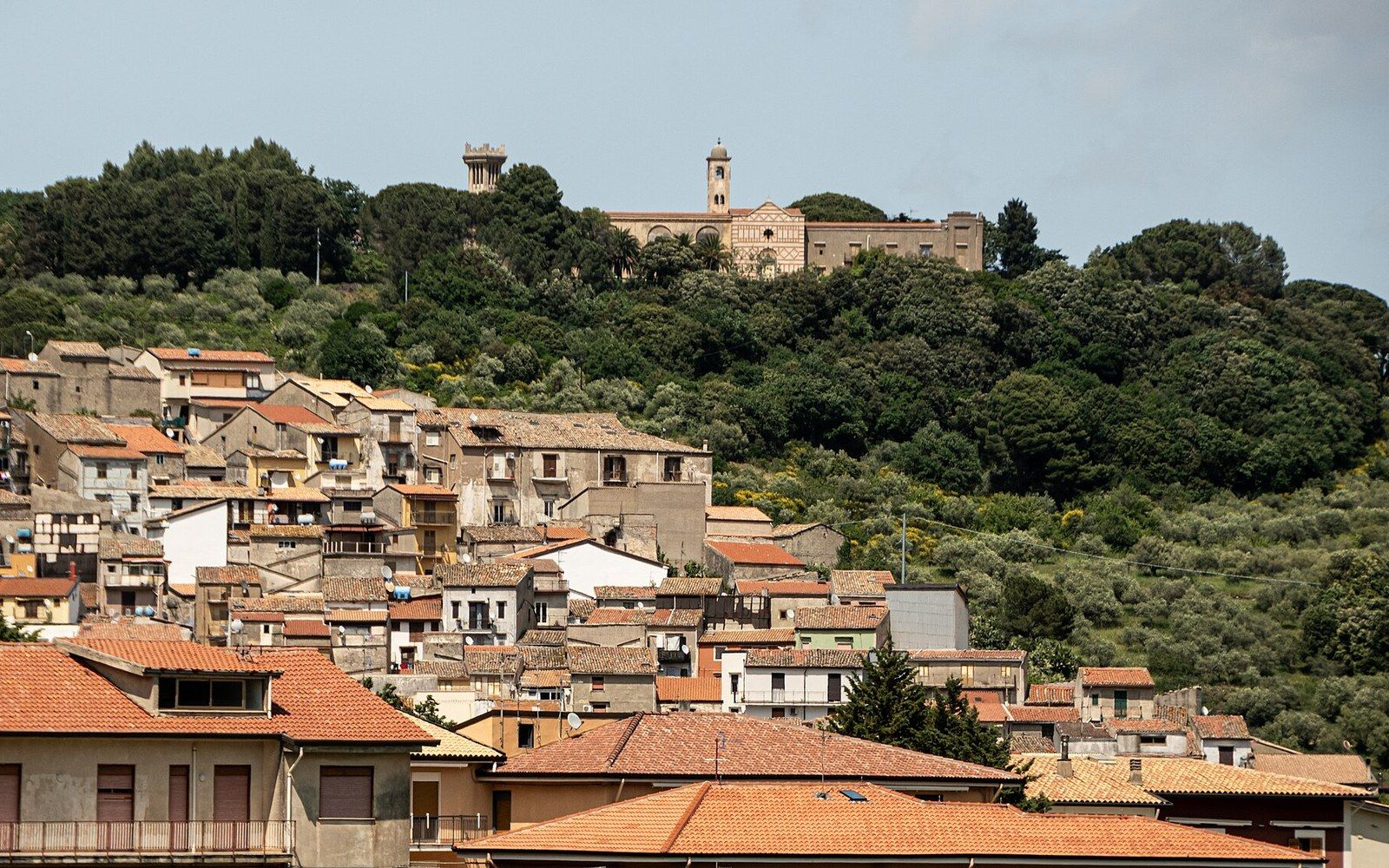
The communities themselves speak of their language as arbërisht, a word that echoes the medieval self-designation Arbër — the older ethnonym before shqiptar became universal in the homeland. In towns such as Piana degli Albanesi in Sicily and San Demetrio Corone in Calabria, arbërisht is still used in the Byzantine liturgy and in domestic speech, though its generational transmission has been uneven across the fifty or so surviving communities.
What it offers — to a linguist, to a historian of the Balkans, to anyone curious about how language moves — is a control sample: the evidence of what Albanian sounded like before the nation-building era decided what Albanian should be.
- arbërisht
- the Arbëresh communities' own word for their language
- Arbër
- the medieval Albanian ethnonym, preserved in Arbëresh self-designation; superseded on the mainland by shqiptar
- gjuha shqipe
- standard Albanian, literally "the Albanian language"
- Tosk
- the southern Albanian dialect group from which Arbëresh predominantly descends