Lungro and the Eparchy
A Byzantine-rite diocese in a Calabrian hill town, serving a dispersed community whose liturgical identity is older than the Italian state.
- Entry
- H.1
- Where
- Pollino, Calabria
- Period
- Settled fifteenth century; eparchy 1919
- Section
- Arbëresh
01The Town and Its Office
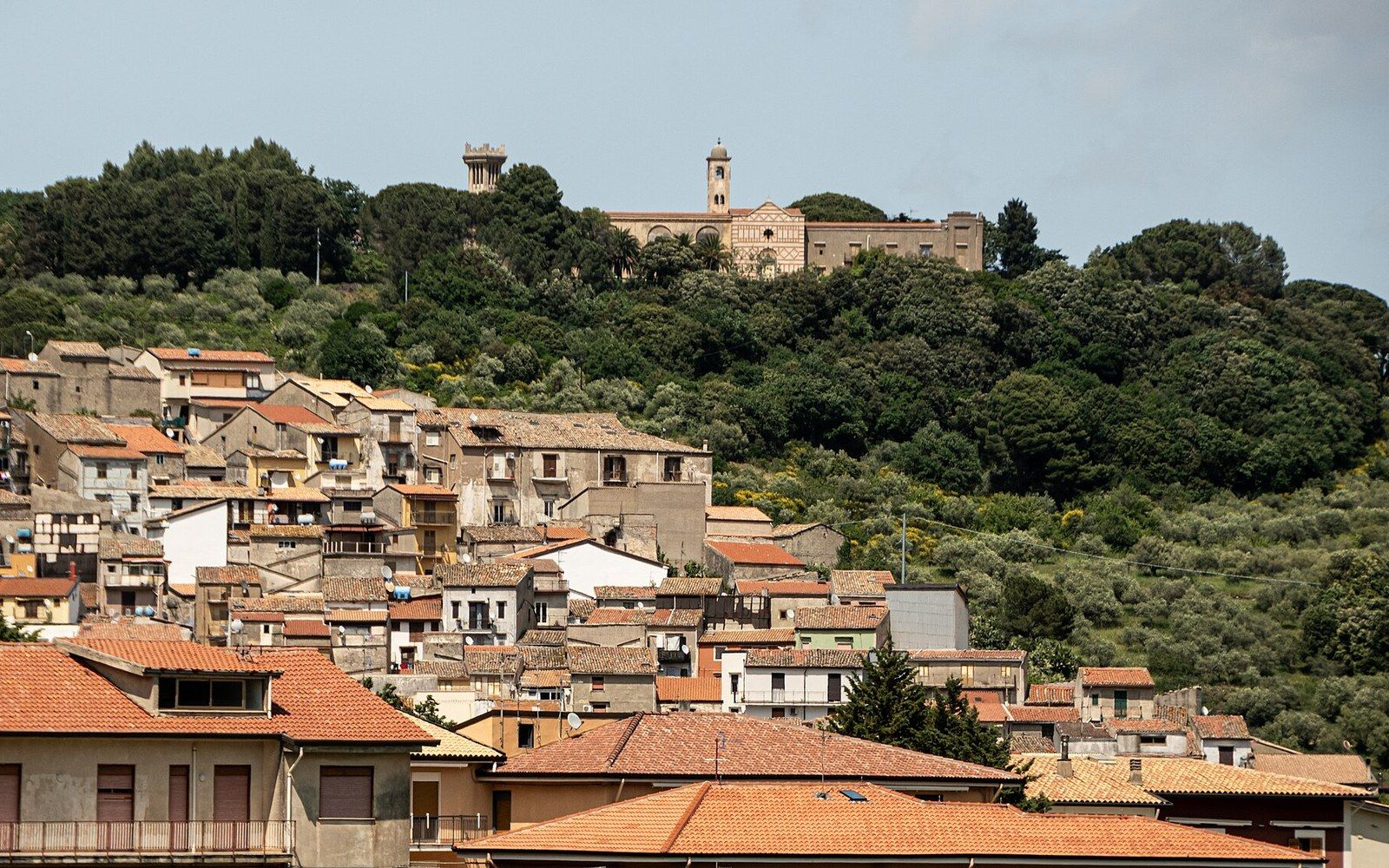
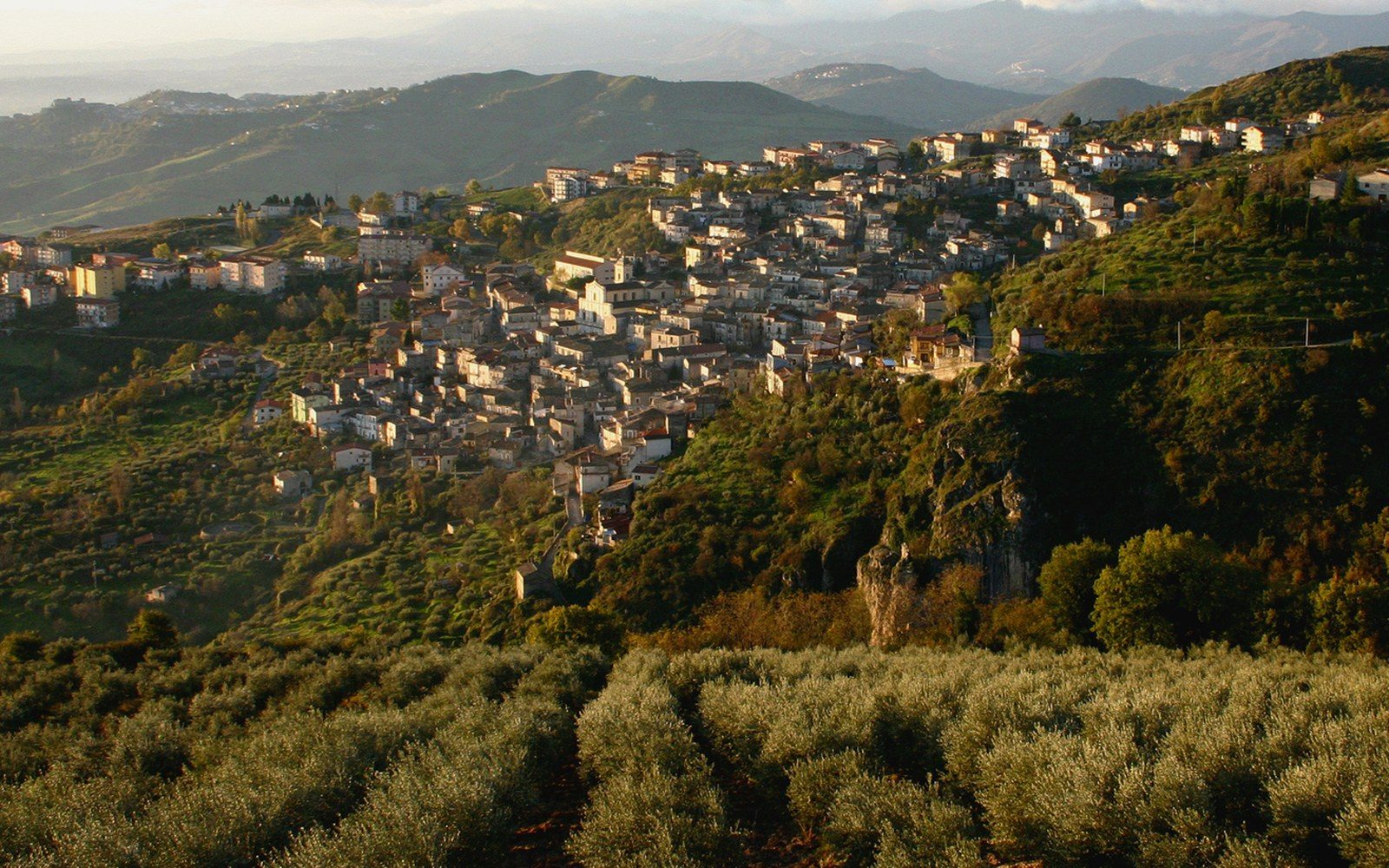
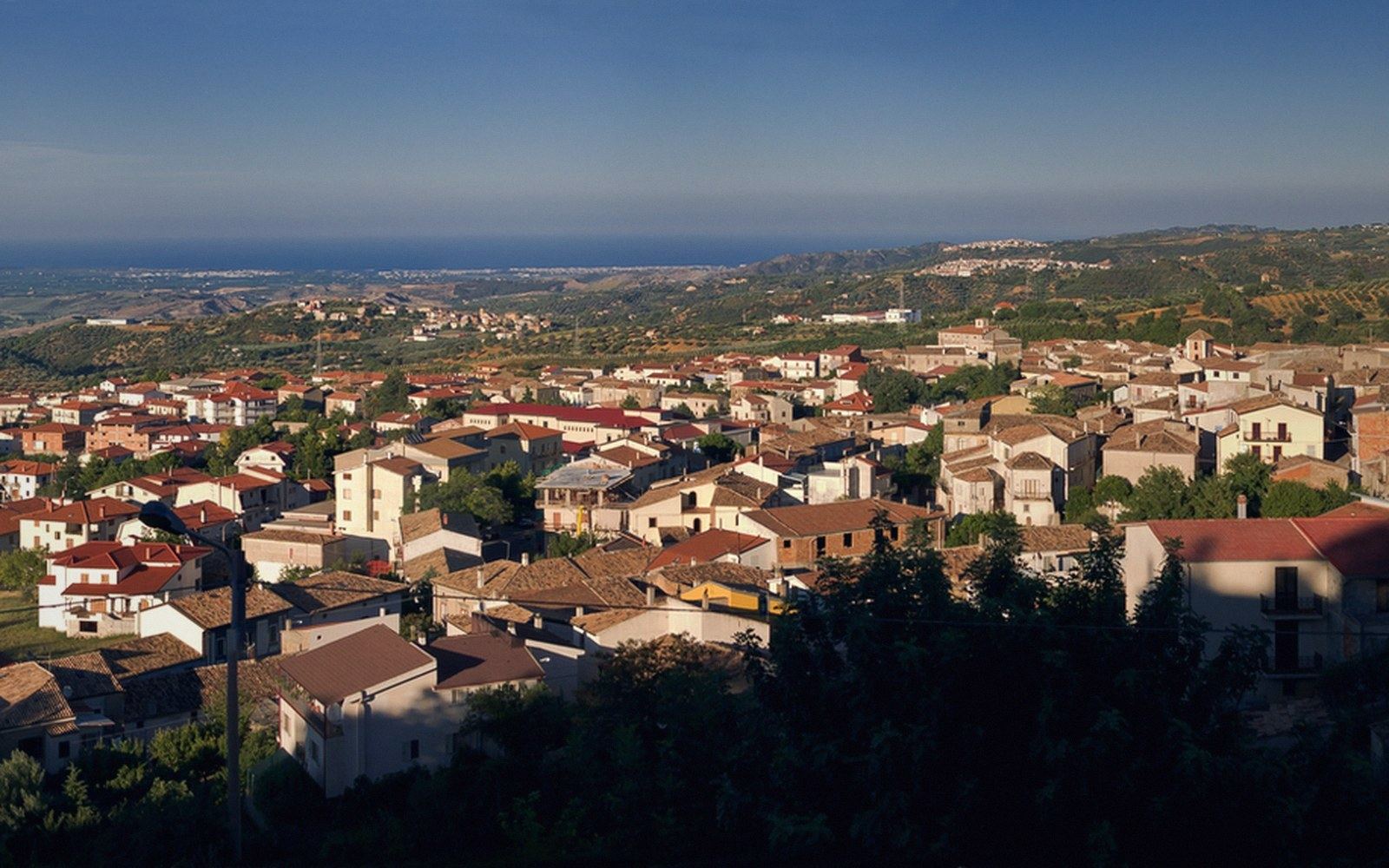
Lungro sits in the Pollino foothills of northern Calabria, a small hill town of stone streets that would register as unremarkable were it not for a cathedral whose interior rite belongs not to Rome but to Constantinople. The town is one of the older Arbëresh settlements in the region, established in waves of migration that followed the Ottoman consolidation of Albania and the Greek peninsula in the fifteenth and sixteenth centuries. What distinguishes Lungro is not size but institutional weight: it is the seat of the Eparchy of Lungro, the diocese created in 1919 to give the Italo-Albanian communities of mainland Italy their own ecclesiastical structure within the Catholic Church while preserving the Byzantine rite they had carried across the Adriatic.
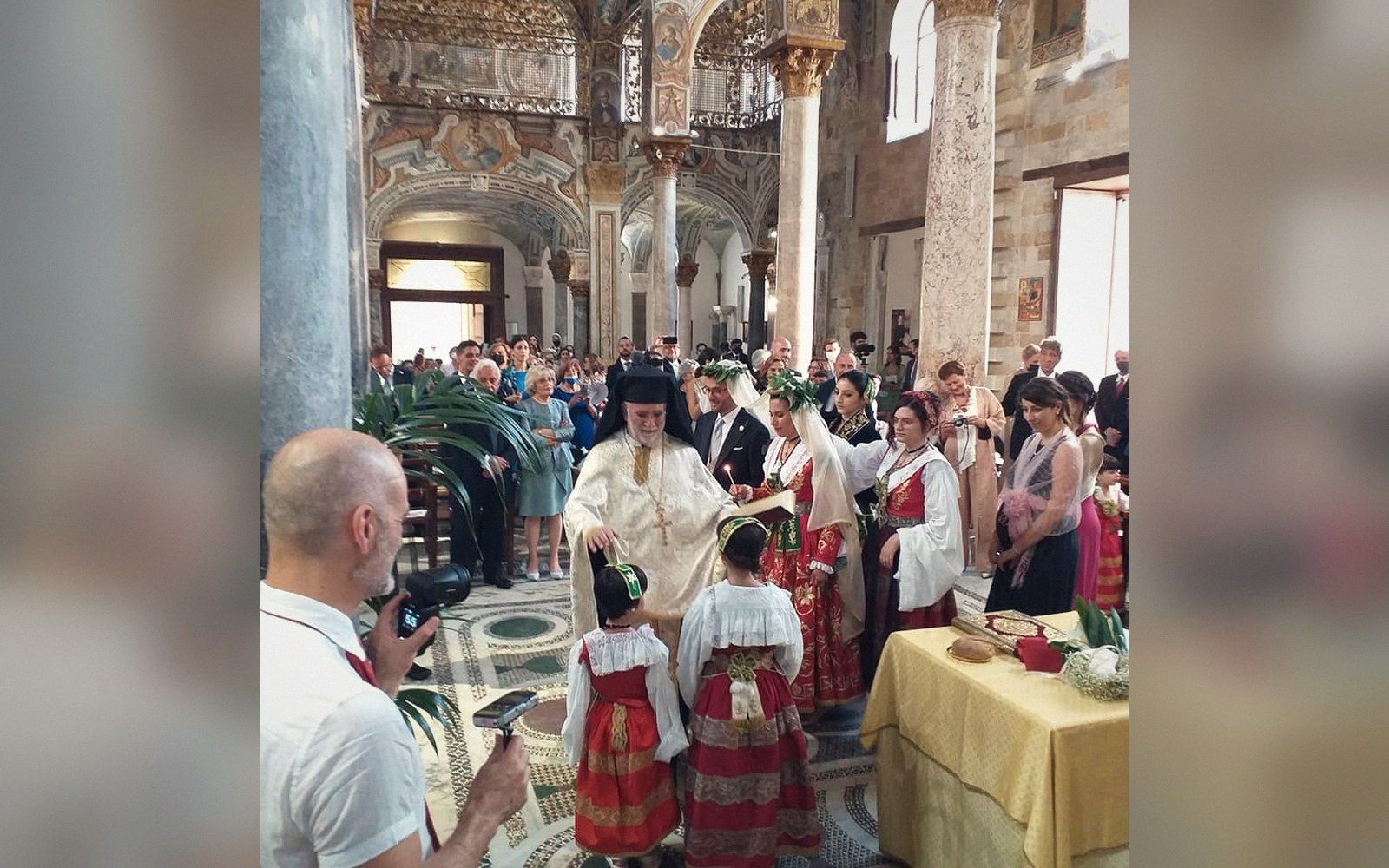
The word eparchy is the Eastern equivalent of diocese — a bishop's territory — and the distinction matters here because the Eparchy of Lungro is not a Latin diocese with Eastern customs grafted on. It operates fully within the Byzantine liturgical tradition: the Divine Liturgy is celebrated in Greek and in the Arbëresh form of Albanian, the calendar follows the Julian reckoning for major feasts, and the iconostasis — the screen of icons separating nave from sanctuary — is the architectural expression of a theology distinct from that of the Latin church next door. Married men may be ordained to the priesthood, as in Eastern practice, though bishops are drawn from celibate clergy.
- 15th–16th centuriesArbëresh settlement waves in Calabria following Ottoman consolidation of Albania
- 1919Eparchy of Lungro established by the Holy See
- Presenteparchy covers Arbëresh communities across Calabria, Basilicata, Molise and Campania
02The Eparchy's Reach
The eparchy does not correspond to a contiguous territory. Its jurisdiction extends across several regions of mainland Italy, covering the scattered Arbëresh communities of Calabria, Basilicata, Molise and parts of Campania — wherever the settlement pattern of five centuries ago planted a village that kept its rite. This is unusual in Catholic canon law, where dioceses are normally defined by geography rather than by the ethnic or ritual identity of the faithful; the eparchy is a personal jurisdiction superimposed on the Latin dioceses that cover the same ground.
The cathedral of San Nicola di Mira in Lungro is modest in scale but iconographically dense. Its programme of icons follows Eastern convention, and its liturgical furnishings are consistent with Byzantine practice as it developed among the Italo-Albanian communities — which means influenced by both the Greek tradition the settlers brought and the Italo-Greek heritage that already existed in southern Italy when they arrived. The two strands are not always easy to separate, and the visual result is a local synthesis rather than a transplanted original.
Lungro's role as the eparchal seat gives the town a cultural gravity beyond its population. The bishop's presence, the maintenance of an episcopal archive, and the training of clergy have made the town a reference point for communities that are otherwise dispersed through the hill country of the south. San Demetrio Corone, some forty kilometres to the south, long served as the intellectual hub of Arbëresh scholarship and clerical formation; the two towns represent complementary functions — learning and jurisdiction — within the same small world.
03What the Rite Preserves
The Byzantine rite in Lungro is not a museum practice. It is the living liturgical form of a community that chose, across five centuries of pressure toward Latin conformity, to maintain what it had brought from the other shore. That choice was not cost-free: Arbëresh communities faced repeated attempts at Latinisation, and the formal protection of the rite through the eparchal structure came only in the twentieth century.
What survives in the cathedral — the chant, the liturgical Albanian, the gesture and vestment of the Eastern church — is continuous with what the settlers carried when they crossed the Strait of Otranto in the decades after 1468. The institutional frame is recent; the practice is old.
- Eparchy
- Eastern-rite equivalent of a diocese; Lungro's covers multiple southern Italian regions
- Byzantine rite
- the liturgical tradition of the Eastern church, preserved here in Greek and Arbëresh Albanian
- Iconostasis
- the icon screen separating nave from sanctuary, the defining architectural element of a Byzantine interior
- Personal jurisdiction
- canonical territory defined by community identity rather than geography