Piana degli Albanesi
A hill town in western Sicily where the Byzantine rite, the Albanian language, and a separate liturgical calendar have held together for five centuries.
- Entry
- H.2
- Where
- South of Palermo, Sicily
- Period
- Founded 1488
- Section
- Arbëresh
01Settlement and Foundation
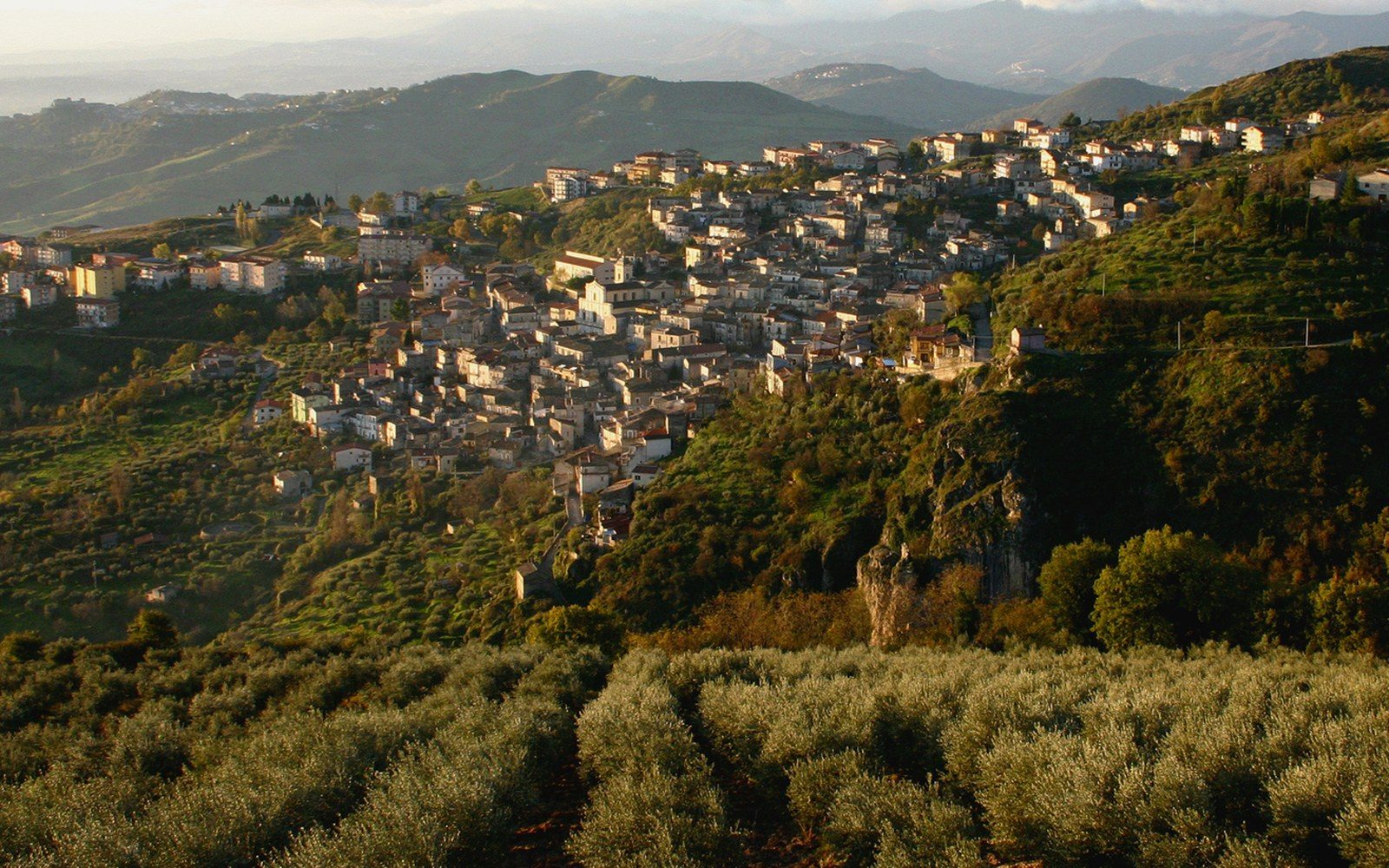
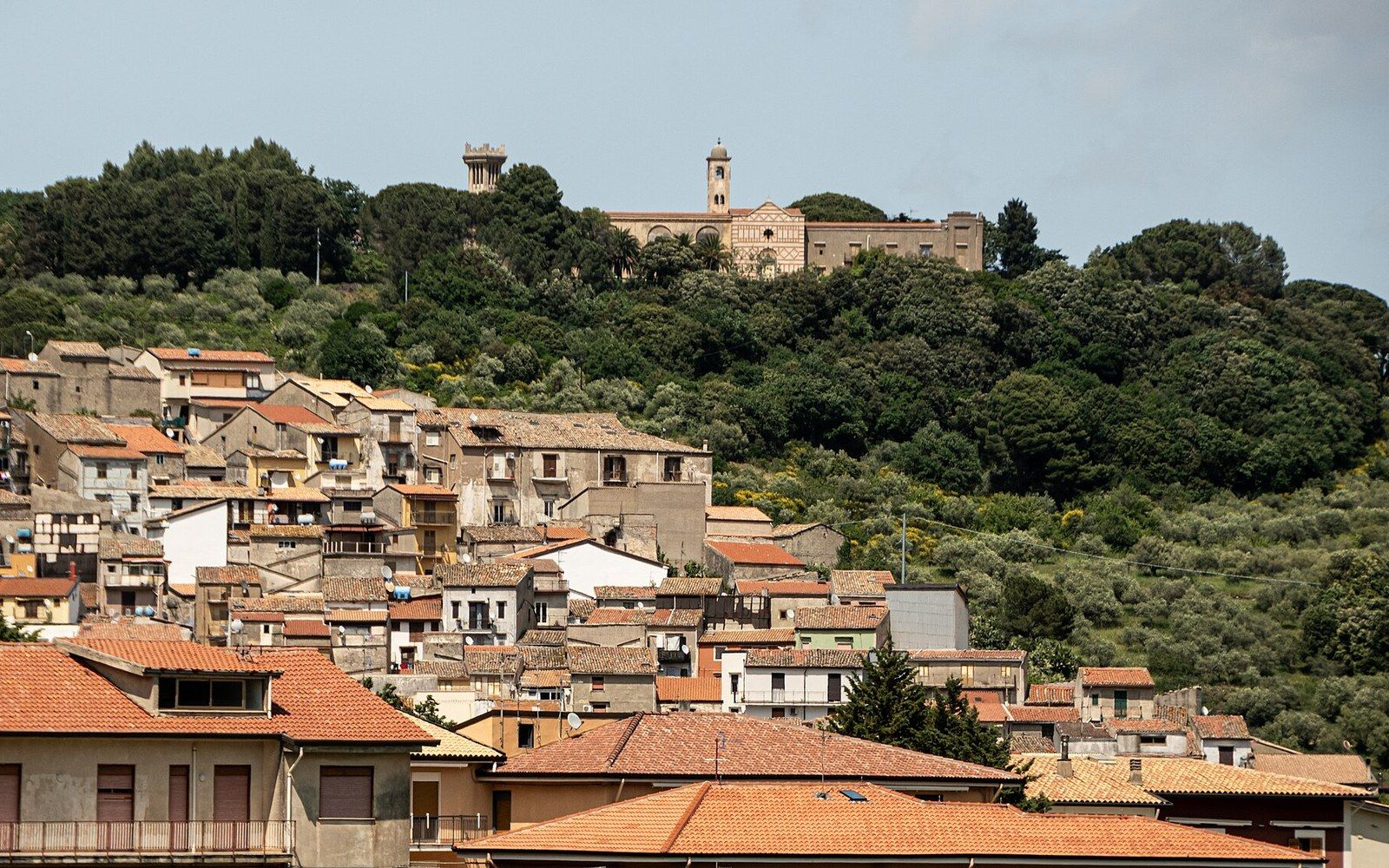
The town sits in a broad basin about twenty-five kilometres south of Palermo, at roughly 720 metres above sea level, ringed by hills that turn the valley into a natural enclosure. Its Albanian name is Hora e Arbëreshëvet — the Town of the Albanians — and both names appear on the street signs, set in parallel on every corner. That bilingual lettering is not a recent gesture of recognition; it reflects a continuous linguistic community whose Albanian dialect, Arbëresh, descends directly from the language spoken by settlers who crossed the Adriatic in the late fifteenth century following the Ottoman consolidation of the Balkans.
The founding population came in waves after the death of Gjergj Kastrioti Skënderbeu in 1468, when the resistance he had organised collapsed and Ottoman control of Albania became permanent. Groups of settlers — some from the coastal lowlands, some from the interior — sought passage westward, and several waves arrived in Sicily under agreements with local Aragonese lords who needed labour for depopulated hill land. The community that eventually fixed at what is now Piana degli Albanesi received formal recognition from the Spanish crown in the early sixteenth century and was granted the right to maintain its own religious practice: the Byzantine Greek rite, administered by priests ordained in the Eastern tradition, in full communion with Rome.
- Albanian name
- Hora e Arbëreshëvet, meaning "the Town of the Albanians"
- Location
- western Sicily, approximately 25 km south of Palermo, elevation roughly 720 m
- Eparchy
- Eparchy of Piana degli Albanesi, established 1937, seat of the Byzantine-rite bishop for Sicily's Arbëresh communities
- Liturgical calendar
- Julian, running thirteen days behind the Gregorian; major feasts fall on separate dates from those of surrounding Roman Catholic parishes
- Cathedral
- San Demetrio Megalomartire, services in Albanian and Greek according to the Byzantine rite
02The Rite and the Calendar
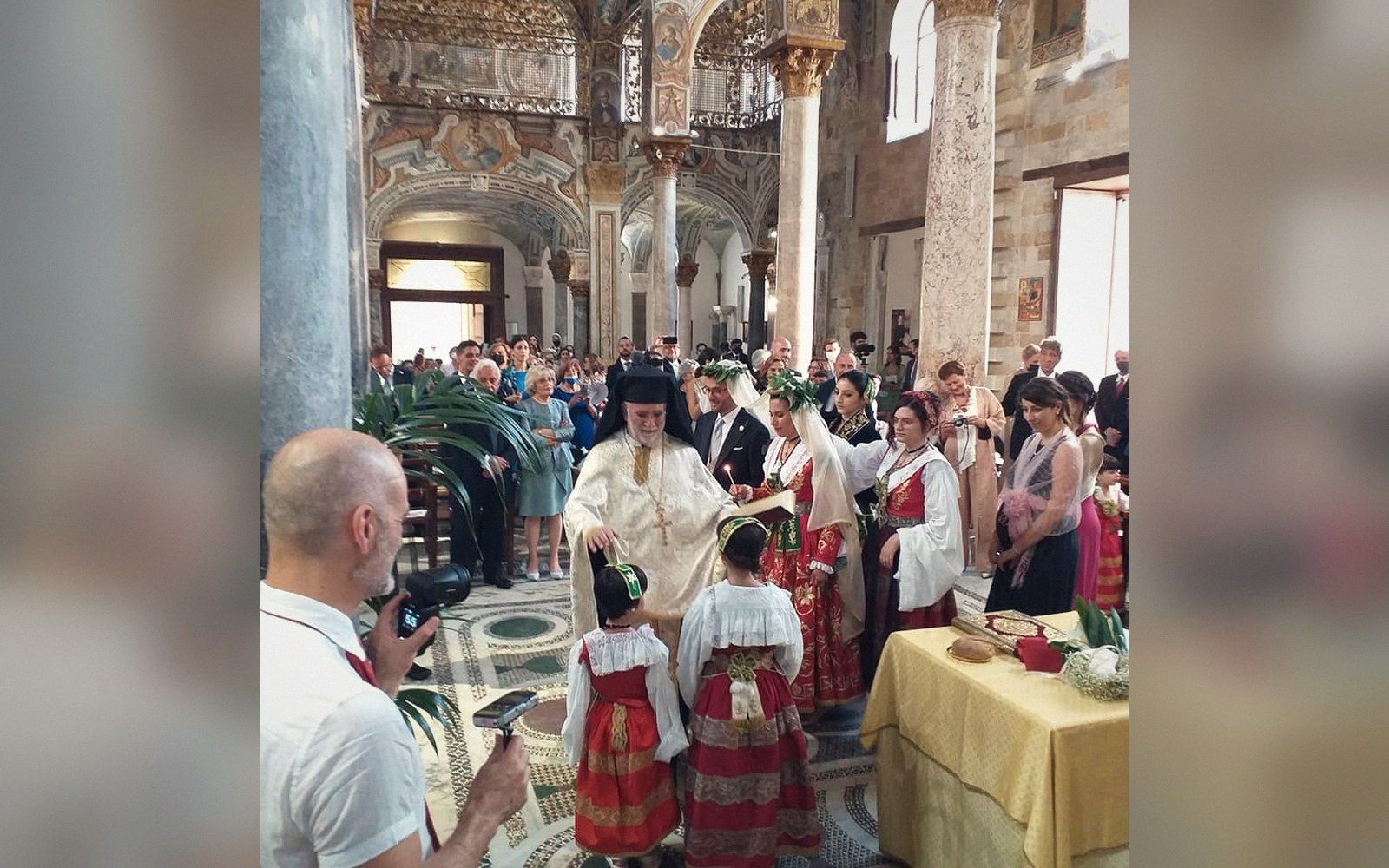
That liturgical continuity is the most visible distinguishing fact of the town. The cathedral of San Demetrio Megalomartire, dedicated to the same saint venerated across the Orthodox and Eastern Catholic worlds, conducts services according to the Byzantine rite in both Albanian and Greek. The liturgical year follows the Julian calendar, which runs thirteen days behind the Gregorian, meaning that Easter, Christmas and the major feasts fall on different dates from those observed in the Roman Catholic parishes of surrounding Sicilian towns. For the inhabitants, this is not an archaism to be explained but an ordinary structuring of the year.
The most publicly elaborate expression of this calendar is the Epiphany celebration and, above all, the Easter procession, in which women wear the full traditional costume — embroidered tunics, heavy silver jewellery, and the distinctive tall white headdress — that descends from Albanian dress of the fifteenth and sixteenth centuries. The costume is not worn only for tourists; it carries the weight of liturgical occasion and family identity simultaneously. Scholars of material culture have traced specific embroidery patterns and jewellery forms to Arbëresh communities across southern Italy, finding enough consistency to map the original settlement geography by what survived in the needle-work.
03Town Fabric
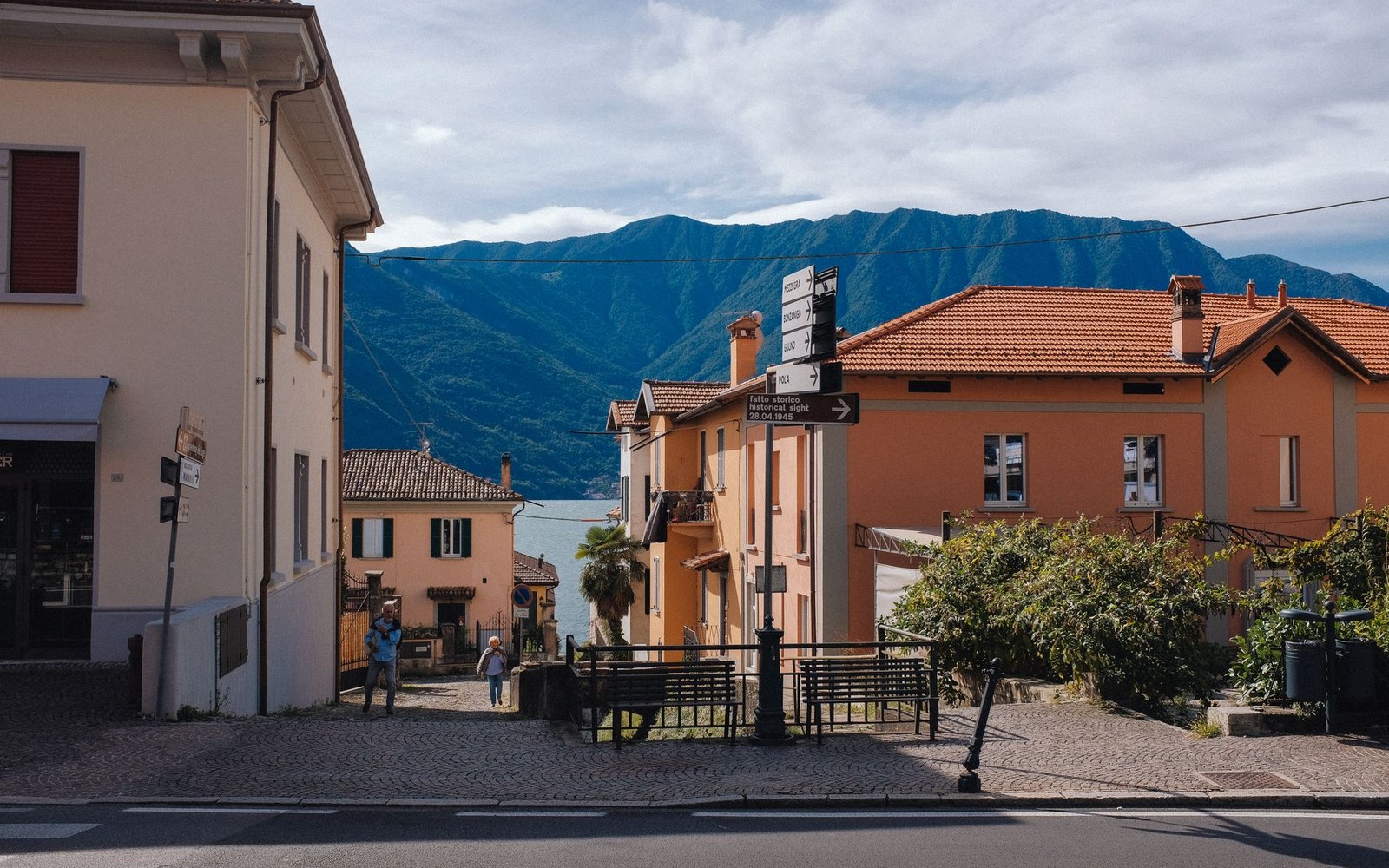
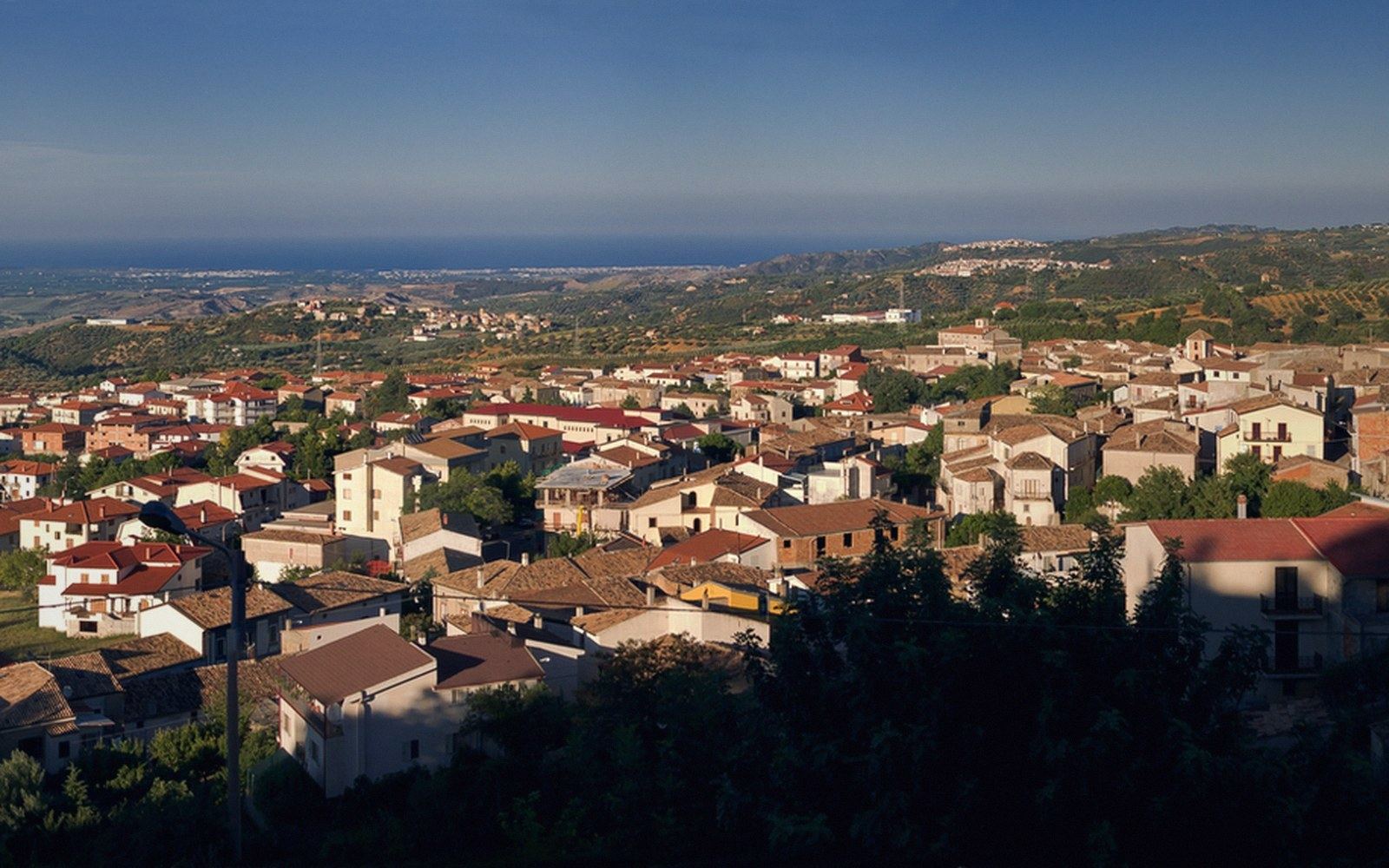
The town itself is built in the manner of the Sicilian upland: stone construction, compact streets, a central piazza anchored by the cathedral. What distinguishes it from its neighbours is the density of Byzantine iconography in its public and sacred buildings. The bishop's palace houses the administration of the eparchy,the western counterpart of the mainland eparchy of Lungro. — Piana degli Albanesi is the seat of its own eparchy, the Eparchy of Piana degli Albanesi, established formally in 1937 and covering the Italo-Albanian communities of Sicily. The bishop is of the Byzantine rite, and the seminary attached to the eparchy has trained clergy for the Sicilian Arbëresh communities continuously since the nineteenth century.
The population of the town has contracted over the twentieth century, as Sicilian rural depopulation and emigration to northern Italy, Germany and beyond drew working-age residents away. This is a pattern common to hill towns across the Mezzogiorno, and Piana degli Albanesi is not insulated from it. What has not contracted is the institutional structure: the eparchy, the seminary, the bilingual schooling, and the publishing activity in Arbëresh that has continued since the nineteenth century have given the language and rite a framework that outlasts demographic pressure.
The linguistic form preserved here, like that of the language maintained elsewhere in the Arbëresh diaspora, separated from mainland Albanian before the modern standard was established, and retains features — including a fuller preservation of certain Tosk vowel forms — that have since shifted or disappeared on the Albanian side of the Adriatic.